Cardboard Boxes for Fruit and Vegetables: Eco-Friendly Fruit and Vegetable Boxes for Retailers
Affordable Customizable Vegetable Boxes: Quality Packaging for All Price Points
Low-cost tailored vegetable boxes are vital in present-day business practices. They unite cost-effectiveness with premium standards, making them accessible a large number of businesses. These boxes boost brand identity and also respond to the needs of eco-conscious consumers. Corporations can realize this objective without weighing down their budgets. Grasping the fundamental aspects and substance options will expose how such packaging can transform client satisfaction. The next steps may provide the foundation for revealing increased achievement.
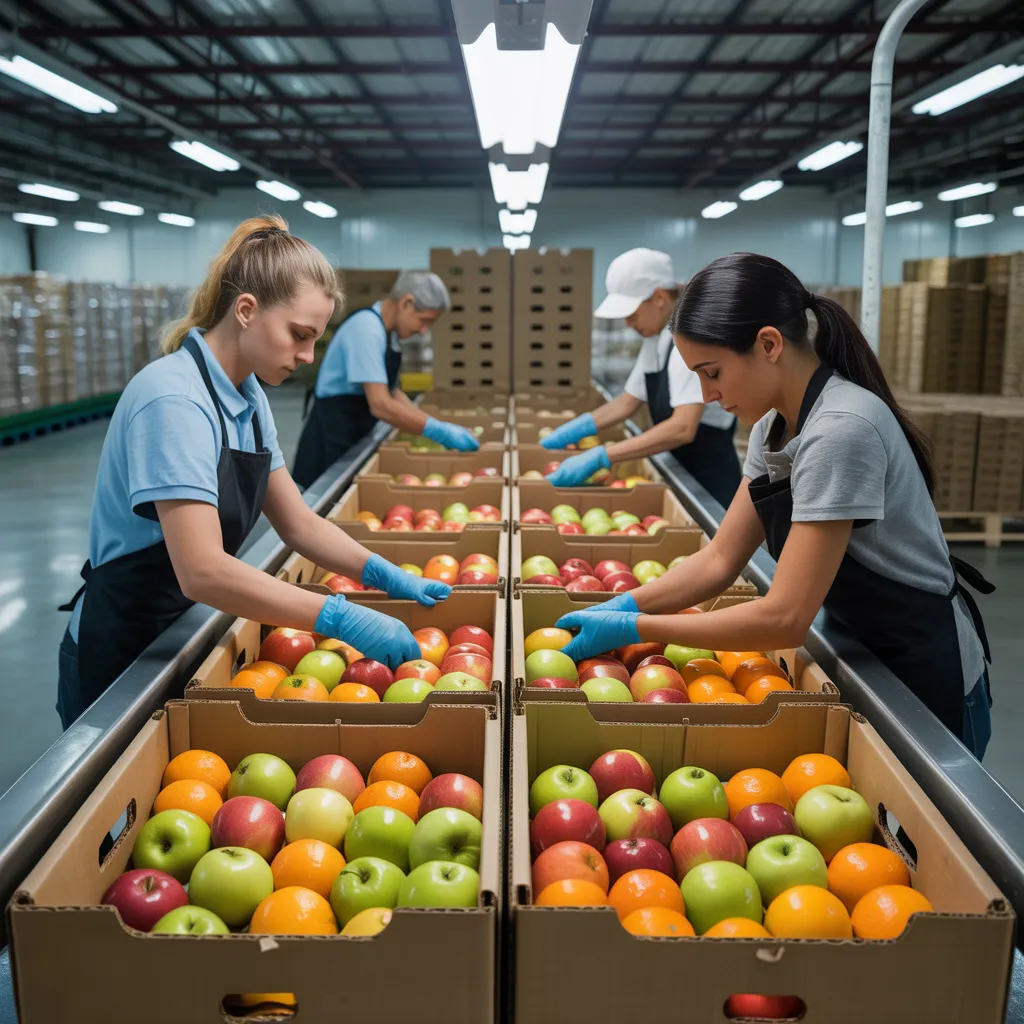
Custom Produce Boxes: Why They Matter for Your Business
Custom product boxes play a key role in crafting a business's brand identity and enhancing customer experience. These boxes are more than functional; they serve as a brand showcase, grabbing attention and promoting recognition. Visually appealing designs and excellent materials express professionalism and care, positioning a business apart in a challenging market.
Additionally, custom packaging gives companies the ability to communicate their values, including environmental consciousness or regionally-sourced products, directly to consumers. This engagement strengthens faith and loyalty, encouraging repeat purchases.
In addition, the suitable packaging can optimize the unboxing experience, shifting a standard purchase into a memorable event. As customers come across distinctive design, they are more likely to share their experiences on digital platforms, amplifying brand reach.
Custom produce boxes safeguard merchandise and simultaneously contribute significantly to marketing and customer engagement, making them an essential investment for any business.
Core Traits for Thrifty Made-to-Order Produce Packaging
Affordable custom produce packaging should prioritize specific features that equilibrate cost and performance. First, durability is essential; packaging must endure handling and transportation without damaging the integrity of the produce. In addition, light materials can lower shipping costs while maintaining protection. Custom options, such as branding and size adjustments, improve marketability without greatly increasing expenses.
Proper airflow constitutes another vital element; packaging that permits airflow maintains freshness, limiting spoilage and waste. Additionally, effortless assembly and disassembly workflows advances cost-effectiveness by refining the packing process. Eco-friendliness gains greater importance; selecting sustainable or compostable alternatives appeals to environmentally conscious consumers, boosting brand image. Finally, comprehensive labeling choices enable inventory management and adherence with regulations. By centering on these essential features, businesses can develop cost-effective custom produce packaging that satisfies both functional and budgetary needs.
Assessing Product Alternatives for Economical Produce Boxes
When evaluating budget-friendly personalized produce containers, selecting the right substances is crucial. Plastic and cardboard choices each offer unique advantages, impacting both price and environmental impact. Furthermore, exploring sustainable options can lead to creative design approaches that meet financial limitations while advancing environmental responsibility.
Cardboard Versus Plastic Options
While both cardboard and plastic function as usable substances for produce boxes, their contrasting attributes can considerably shape cost and sustainability concerns. Cardboard, typically more affordable, offers excellent tailoring options and is broadly recyclable, appealing to businesses pursuing budget-friendly solutions. However, it may not withstand to resist moisture well, inevitably compromising product integrity. On the other hand, plastic boxes provide durability and resistance to water, making them suitable for longer preservation periods. They can be more expensive initially but are recyclable, which could offset costs over time. Ultimately, the choice between cardboard and plastic copyrights on specific needs, including financial constraints, product type, and desired longevity, highlighting the necessity of inspecting both material options before making a decision.
Eco-Friendly Material Selections
Utilizing eco-friendly material options is crucial in crafting affordable produce boxes, influencing both the environmental footprint and market desirability. Materials such as post-consumer recycled cardboard and biodegradable options are increasingly selected for their sustainable features. Post-consumer recycled cardboard lowers waste and cuts demand for virgin materials, making it appealing to eco-conscious consumers. Moreover, biodegradable alternatives, including plant-based plastics, offer an eco-friendly solution that decomposes without harmful residues. These materials not only improve the sustainability of produce boxes but also draw customers who prioritize eco-friendliness. Ultimately, selecting appropriate materials is vital for producers seeking to balance cost with environmental responsibility, contributing to a greener packaging industry.
Budget-Friendly Design Solutions
Exploring budget-friendly design options for affordable produce boxes uncovers a variety of material options that balance quality and price. Cardboard continues to be a popular choice, offering durability and lightweight characteristics at a low cost. Corrugated cardboard improves structural integrity, making it perfect for heavier produce while still being cost-effective. For a more eco-conscious approach, recycled paperboard provides a green alternative without sacrificing affordability. Additionally, plastic alternatives, such as biodegradable or reusable materials, can deliver long-term savings despite higher initial costs. Each material presents unique benefits, allowing businesses to select based on their specific needs, ensuring that quality packaging stays accessible for all budgets while effectively protecting the contents within.
Thrifty Guidance for Procuring Custom Packaging
When sourcing personalized packaging solutions on a budget, businesses can benefit from a strategic approach that prioritizes economic savings without sacrificing quality. First, evaluating several vendors is crucial; this allows for a improved comprehension of price ranges and available options. Additionally, opting for standard sizes and designs can greatly reduce costs, as custom molds and unique shapes often generate higher expenses.
A useful recommendation includes buying items in large quantities, which frequently results in reduced prices and decreased unit expenses. Additionally, companies ought to evaluate nearby vendors to reduce delivery charges and strengthen local economic growth.
Lastly, assessing green materials can be cost-effective and attract eco-aware buyers. By implementing these budget-friendly strategies, businesses can obtain excellent personalized packaging that meets their spending limits while still adequately supporting their product needs.
Enhancing Your Fresh Boxes With Bespoke Branding
Custom packaging design on produce boxes can tremendously shape consumer perception, making eye-catching designs essential for attracting attention. Additionally, utilizing renewable resources not only enriches the visual presentation but also corresponds to mounting sustainability priorities among clients. Together, these pieces can elevate a brand's identity and market presence.
Eye-Catching Designs Are Significant
Striking visuals play a vital role in the marketing of produce boxes, significantly affecting customer perception and buying decisions. A well-designed box can draw attention on busy shelves, allowing products to become distinctive. Unique graphics, bright colors, and clear typography help communicate the brand's character and principles, building a emotional connection with customers. Additionally, visuals that reflect quality and excellence can improve the perceived worth of the produce inside. Personalized branding not only differentiates products from competitors but also promotes brand allegiance among customers. As shoppers increasingly look for visually appealing containers, investing in striking visuals becomes vital for businesses aiming to boost revenue and create a lasting presence in the market.
Sustainable Material Choices
Opting for sustainable resource alternatives in food containers elevates their marketability and demonstrates expanding customer expectations for planet-friendly products. Countless firms are shifting toward biodegradable, compostable, and repurposable substances, which curtail ecological consequences while maintaining product durability. Possibilities including reinforced cardboard and plant-based bioplastics furnish toughness and protection for delicate goods. Custom labeling can be gracefully inserted into these substances, letting companies relay their environmental pledge. By using sustainable printing inks and simple visual designs, enterprises can better articulate their green initiatives. In essence, implementing sustainable materials cultivates a strong positive reputation and captivates sustainability-driven buyers, creating a mutually advantageous arrangement for both corporations and the planet.
Case Studies: How Small Businesses Succeeded With Custom Produce Packaging
Small businesses have adapted their branding and sales strategies through innovative produce packaging solutions. One striking example is a local organic farm that renewed its packaging to highlight vibrant, sustainable and responsible boxes. This not only refined the farm's visual appeal but also relayed its commitment to sustainability, resulting in a 30% jump in earnings.
Another example involved a small grocery store that introduced custom, labeled produce boxes. This approach enhanced organization and the customer experience, resulting in a 15% rise in repeat customers.
A third operation, a community-supported agriculture (CSA) program, introduced bespoke wrapping displaying local artwork. This distinctive method encouraged local engagement and loyalty, in the end raising membership by 25%.
These case studies demonstrate that well-designed personalized produce containers can greatly impact small business growth, strengthening brand identity and fostering customer relationships while staying budget-friendly.
Common Questions Posed Frequently
What quantity minimums exist when ordering custom fresh containers?
The minimum order quantities for custom produce boxes generally range from 100 to 500 units, based on the supplier. Considerations including intricacy of design and material choice also impact the required minimums for orders.
How Long Will It Take to Receive Your Custom Produce Boxes?
Approximately, it requires around two to four weeks to receive custom produce boxes following placing an order. Factors including design complexity and production timing could affect the overall timeframe for shipment.
Can I Design My Own Custom Produce Box?
Yes, individuals can develop their own custom produce boxes. Many companies offer web-based design systems, allowing customers to choose dimensions, colors, and graphics, making certain a personalized packaging solution that meets their specific needs and preferences.
Do Eco-Conscious Alternatives Exist for Tailored Packaging Materials?
Yes, many environmentally conscious choices exist for custom packaging. Companies provide products like recycled cardboard, biodegradable plastics, and plant-based inks, helping companies to produce eco-friendly packaging alternatives that decrease environmental impact while still fulfilling their branding needs.
What Price Range Should You Anticipate for Individualized Produce Boxes?
The typical cost range for tailored vegetable boxes ranges between $0.50 to learn here $3.00 per unit, influenced by materials, size, and design intricacy. Bulk orders may lower costs considerably, delivering more economical solutions for organizations.